
The Art of Refinement: Perfecting Your Colouring Masterpiece
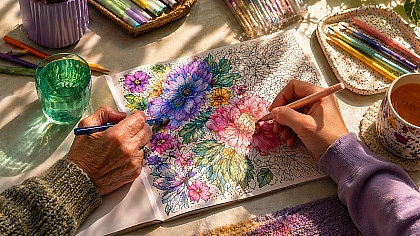
Colouring is more than a simple pastime; it is a thoughtful process of creation, control, and quiet expression. When colour is applied to a page, it is not just about filling spaces or adding brightness, but about shaping harmony, balance, and feeling. A truly refined piece goes beyond attractive shades, drawing instead on an understanding of composition, technique, and the natural flow of colour. Refinement in colouring is not about chasing rigid perfection. It is about creating unity and movement within your work, where every tone, gradient, and shadow contributes to a cohesive whole.
Understanding the Foundations of Refinement
Refinement begins with recognising structure. Before any colour is added, it helps to notice the framework beneath the design. Each section, whether a petal, wave, or pattern, has its own rhythm and proportion. Seeing this clearly allows colour to be applied with intention rather than guesswork.
A well-refined piece balances boldness with restraint. Even the most vibrant compositions benefit from a sense of calm beneath the surface. Observing how colours interact is essential, as their relationships determine whether the final image feels harmonious or unsettled. Thoughtful planning of colour placement helps guide the eye smoothly across the page.
Materials also play an important role. High-quality pencils, markers, or paints offer richer pigment and smoother control. The choice of paper matters just as much. Textured surfaces can add depth, while smoother ones support precision. Each decision shapes the overall finish of the work.
The Role of Colour Harmony
At the centre of refined colouring lies harmony. It is not only about choosing colours that look pleasing together, but about using them to create balance and mood. A harmonious piece gently guides the viewer’s eye, allowing colours to support one another rather than compete.
A deeper understanding of colour relationships strengthens this effect. Colours opposite each other create contrast and energy, while those close together produce a softer, more unified look. A refined approach uses both with care, blending calm areas with moments of brightness.
Saturation also plays a key role. Strong, vivid tones draw attention but can overwhelm if overused. Softer, muted shades bring subtlety and elegance. Balancing these elements, while allowing space for the eye to rest, gives the work a more complete and polished feel.
Building Depth and Dimension

A refined colouring piece has depth, suggesting light, distance, and form. This is achieved through careful layering and shading.
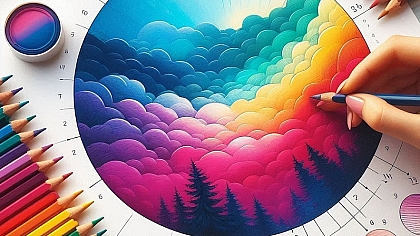
Starting with a light base layer helps establish the foundation. Gradually building up colour in shadowed areas while preserving highlights creates smooth transitions. This method avoids harsh edges and allows colours to blend naturally.
Consistency in light direction is equally important. Deciding where the light falls ensures that shadows and highlights work together, giving the image a believable sense of form. Subtle techniques such as layering transparent tones can further enhance depth, creating a soft, luminous quality.
The Power of Texture and Detail
Texture adds character and realism to colouring. Whether suggesting the softness of petals, the roughness of bark, or the shimmer of water, it transforms flat colour into something more expressive.
Achieving texture relies on controlled, purposeful strokes. Smooth, flowing lines may suggest softness, while shorter, varied strokes can create a sense of roughness or movement. Consistency is key, as each mark contributes to the overall effect.
Small details often make the greatest difference. Gentle highlights, soft transitions, and delicate variations in tone draw the viewer closer. These touches should enhance the piece without overwhelming it, allowing refinement to emerge through subtlety.
Blending Techniques for Seamless Transitions
Blending is essential for achieving a polished finish. It softens harsh edges and creates smooth transitions between colours. Layering with light pressure allows colours to merge naturally, while heavier pressure can produce a more even, polished surface. With other mediums, blending may involve tools such as brushes or careful softening techniques. The aim is always to create a sense of continuity.
Knowing when to stop is just as important as the blending itself. Too much blending can dull colours and reduce depth. A refined approach values balance, allowing both softness and texture to exist together.
The Art of Balance and Composition
Composition provides the underlying structure that holds a piece together. It guides the viewer’s eye and ensures that every element contributes to the overall design. A strong composition includes a clear focal point without overpowering the rest of the work. Contrast, brightness, and texture can be used to draw attention gently from one area to another. Both symmetry and asymmetry can be effective. Symmetry brings a sense of order, while asymmetry introduces movement and interest. Balancing these elements creates a composition that feels both stable and engaging.
Empty space also has value. Areas left uncoloured or lightly detailed give the eye a place to rest and help prevent the piece from feeling crowded. Often, refinement comes from knowing what to leave untouched.
Enhancing Emotion Through Colour and Tone
Refined colouring carries emotional depth. Colour choices can suggest warmth, calm, energy, or reflection, shaping the mood of the piece. Warmer tones tend to feel lively and inviting, while cooler tones create a quieter, more reflective atmosphere. Subtle contrasts between these can add focus and interest.
Rather than relying on bold effects alone, refinement comes from gentle transitions and balanced tones. When colour is used thoughtfully, it communicates feeling in a natural and understated way.
The Importance of Patience and Observation
Refinement takes time. Stepping back from your work allows you to see it more clearly and notice areas that may need adjustment. Viewing it from a distance or under different lighting can reveal small inconsistencies. Observation also strengthens technique. Studying how light interacts with real objects improves understanding of tone and texture. Looking at other artwork can inspire new approaches and sharpen awareness of composition.
Small refinements, such as softening an edge or adjusting a shadow, can make a significant difference in the final result.
Finishing Touches and Presentation
The final stage brings everything together. Cleaning the surface, refining edges, and enhancing highlights can elevate the piece from good to polished. Highlights should be applied with care, adding brightness and depth without overwhelming the composition. Ensuring the work is clean and well-presented also enhances its overall impact.
Displaying the finished piece thoughtfully, whether through framing or careful photography, completes the creative process.
Evolving as an Artist
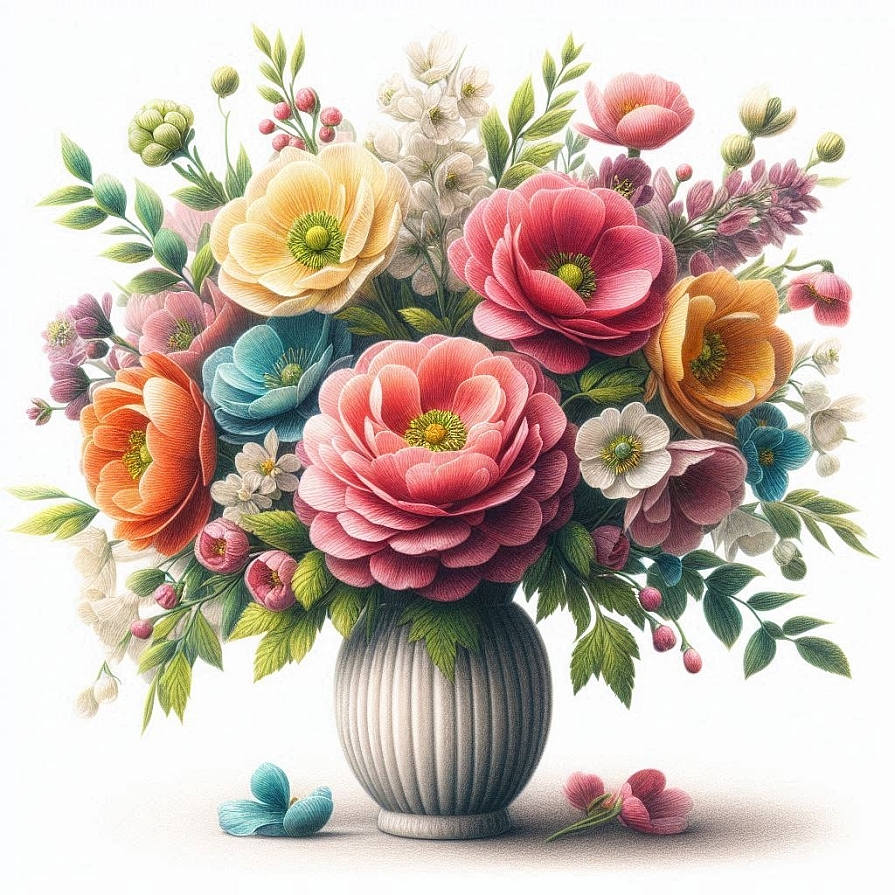
Refinement is an ongoing journey rather than a fixed goal. Each piece contributes to a deeper understanding of colour, form, and technique. Exploring new tools, experimenting with different palettes, and stepping beyond familiar habits all support growth. At the same time, recognising your personal style helps bring clarity and confidence to your work.
True refinement lies in awareness. It is found in the balance between control and expression, patience and creativity. A refined colouring piece does not demand attention; it holds it quietly, through harmony, intention, and carefully considered detail.
LEAVE A COMMENT
Categories
Recent Posts






0.0364